Showing posts with label online. Show all posts

Thursday, January 15, 2015

Le Nordik Spa — Nature in the Outaouais Region

http://www.tourismeoutaouais.com/blogue/le-nordik-spa-nature-outaouais-region/?lang=en
Story by Katharine Fletcher

Is winter getting you down?


Consider treating yourself to a day of indulgence at Le Nordik Spa in Old Chelsea.

. . .
Learn about more West Quebec activities and destinations from local writers by browsing Tourisme Outaouais’ blog.

Friday, January 9, 2015

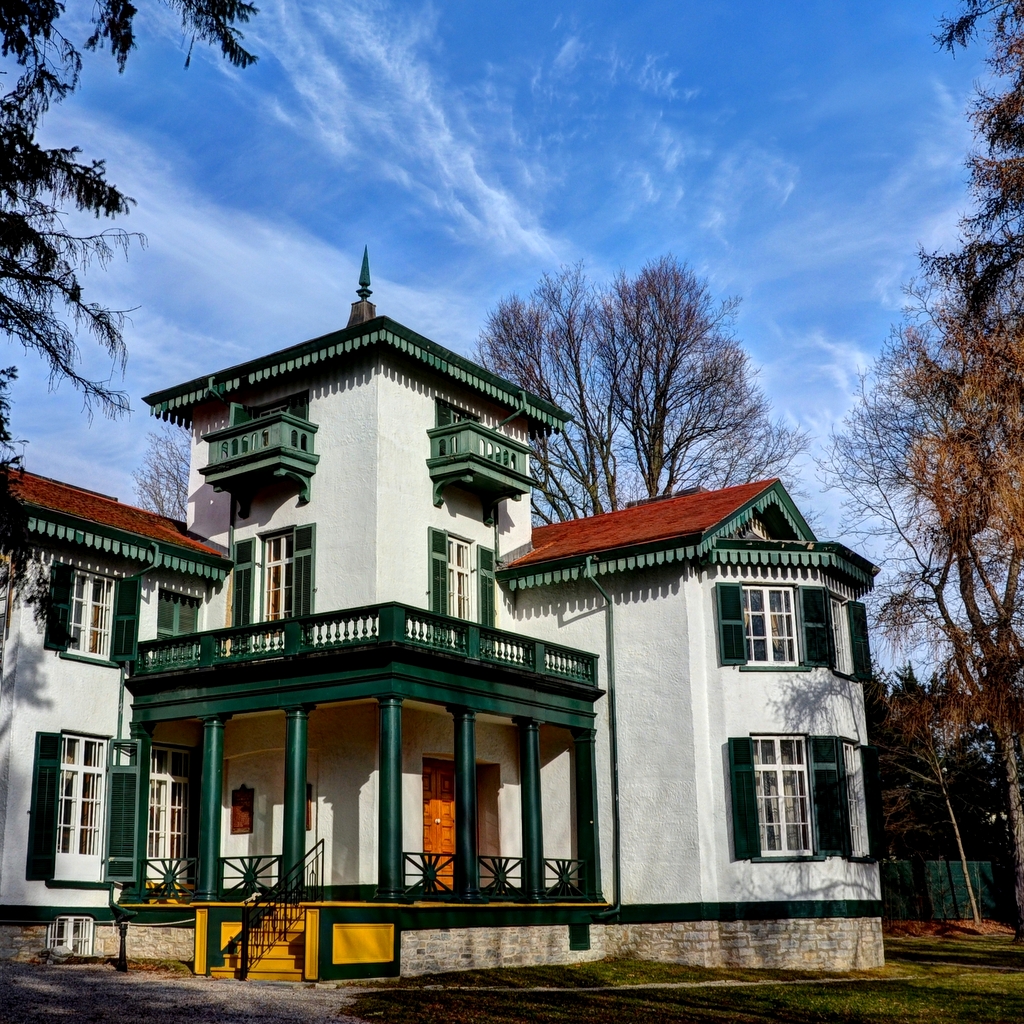
Daytripping to celebrate Sir John A Macdonald’s bicentennial

Italianate Bellevue House is a fanciful historic home.
Photo by Eric Fletcher.

Story by Katharine Fletcher, photos by Eric Fletcher

Jan. 11 marks the 200th anniversary of Canada’s first Prime Minister’s birthday. Why not celebrate at Bellevue House National Historic Site, his Kingston home, writes Katharine Fletcher.


“I made our final move to our new habitation, on Friday evening last, and we are now trying to make ourselves comfortable in Pekoe Pagoda as we call it.”

So wrote Sir John A. Macdonald to his sister-in-law Margaret Green on Aug. 28, 1848.
. . .

Read the full story at the Ottawa Citizen online.

Wednesday, December 17, 2014

SOIF – Véronique Rivest’s Wine Bar

http://www.tourismeoutaouais.com/blogue/soif-veronique-rivests-wine-bar/?lang=enStory by Katharine Fletcher, Photos by Eric Fletcher

With so many wines available these days, how can you decide what to buy for that special occasion?


Read how I solved that particular problem by visiting Soif, a wine bar that opened in Gatineau in 2014.

. . .
Learn about more West Quebec activities and destinations from local writers by browsing Tourisme Outaouais’ blog.

Friday, November 28, 2014

5 worth the drive before Christmas

The Shenkman Art Centre features creations by local artists.
Photo by Katharine Fletcher.

Story by Katharine Fletcher

Before the holidays and inclement driving weather arrives, Katharine Fletcher says why not shop locally and purchase gifts from local artists, artisans, and shopkeepers?


Shenkman Arts Centre


Shenkman (245 Centrum Blvd. shenkmanarts.ca) is a one-stop-shop for everything artsy – throughout the year. Whether it’s theatre performances; pottery or many, many other artsy (and theatre) classes; viewing art in the Centre’s seven galleries; or attending the annual Baz’Art winter arts market, there’s lots to do under one roof.
. . .

Read the full story at the Ottawa Citizen online.

Saturday, November 1, 2014

Daytripping to Old Chelsea

Enjoy a day out in Chelsea. Photo by Katharine Fletcher. 
Story by Katharine Fletcher


From Gatineau Park trails to North America’s largest day spa, Katharine Fletcher believes Old Chelsea offers an array of attractions to appeal to everyone


Where is Old Chelsea?


Just 20 minutes north of Parliament Hill (15.7 km), Old Chelsea is an historic village accessed off Highway 5 North via exit 12.

Why do you particularly recommend it?


Primarily, because it’s such an “Ottawa Valley” place. It’s also an extremely picturesque village with colourful “old world charm.” It’s also the gateway to Gatineau Park. And, although I’m no shopper, there are some intriguing shops where you get a genuine, warm greeting.

. . .

Read the full story at the Ottawa Citizen online.

Saturday, October 11, 2014

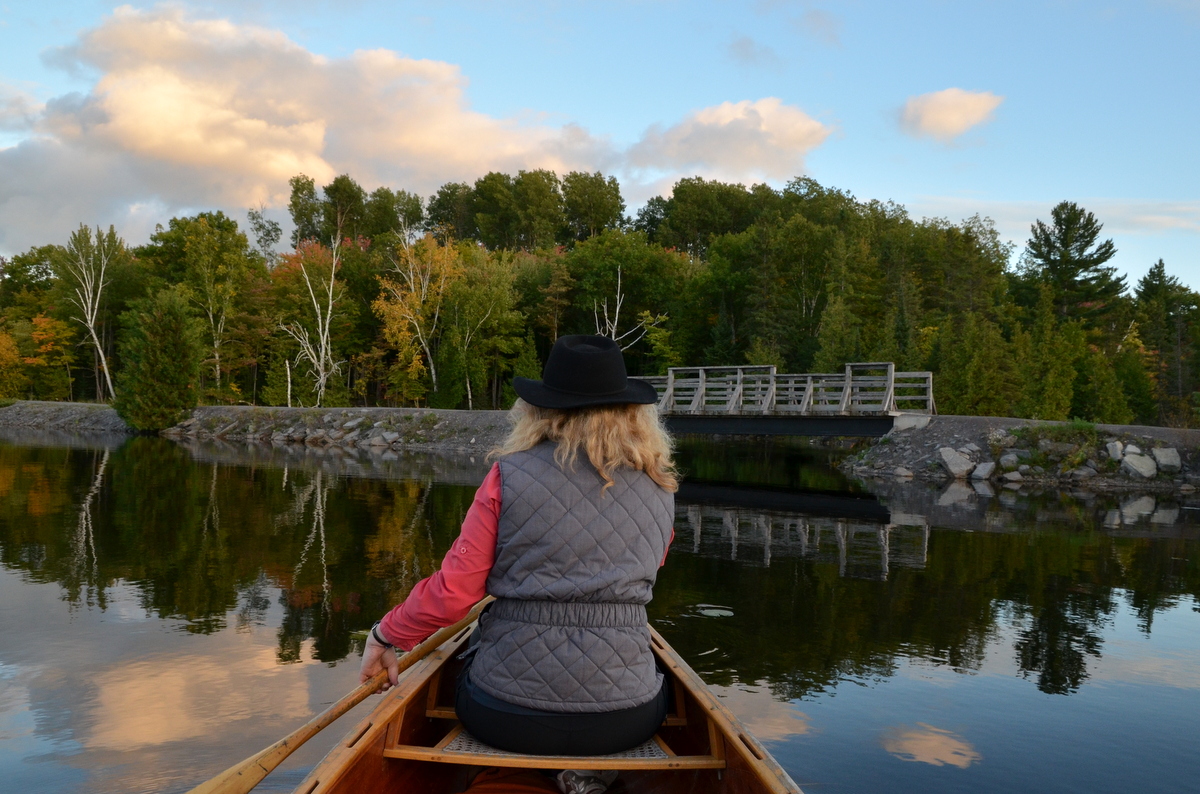
Daytripping to Morris Island

Canoeing on the protected inner bay waters
at Morris Island Conservation Area.
Story by Katharine Fletcher, photos by Eric Fletcher

Morris Island Conservation Area is a 47-hectare land and water trail network bordering the Ottawa River that Katharine Fletcher finds is an excellent introduction to the National Capital Region’s human and natural history


Where is this parkland?


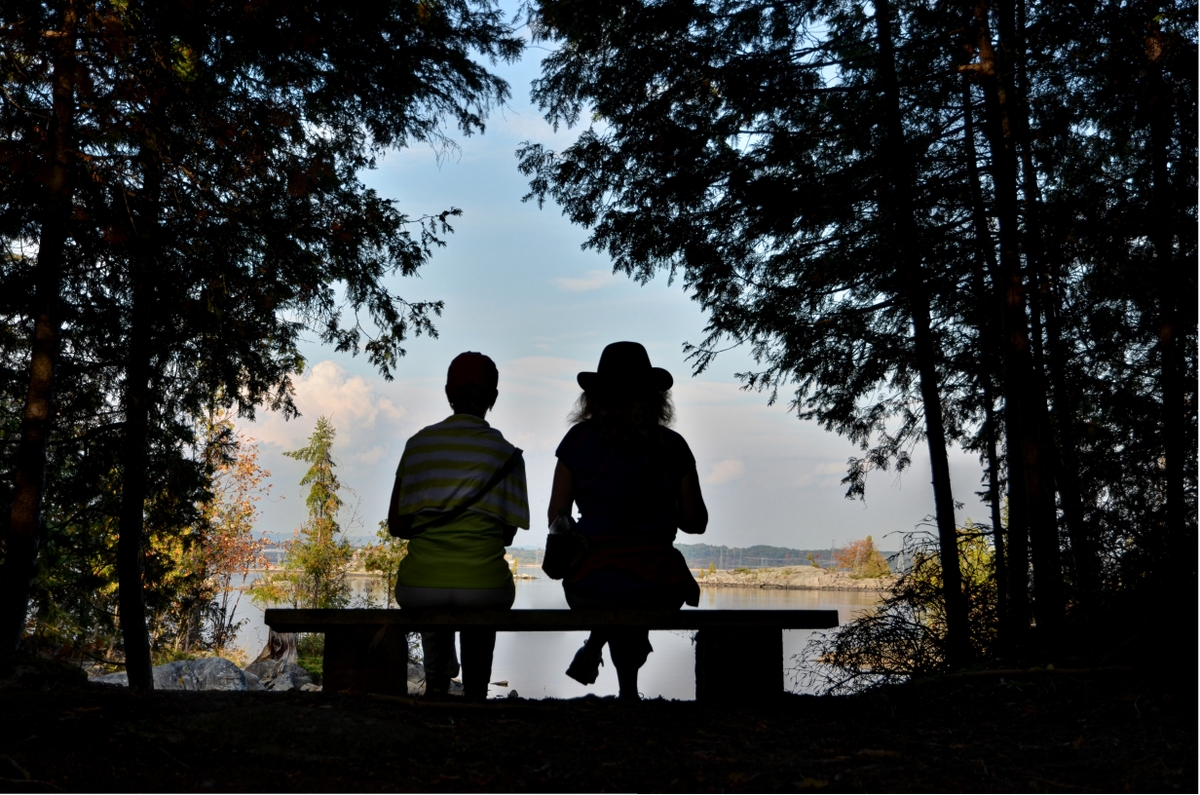
Enjoying the view of the Ottawa River and Chats Falls dam from
one of the many lookouts at Morris Island Conservation Area.
 
Located 70 kilometres west of Ottawa, Morris Island Conservation Area is a gem of a wetland and forested parkland. It is also west of Ontario’s access to the Quyon Ferry (at Mohr’s Landing), Fitzroy Provincial Park, and the village of Fitzroy Harbour.
 . . .

Read the full story at the Ottawa Citizen online.


Saturday, June 14, 2014

It’s Recreational Geology Time

Story by Katharine Fletcher


Preston O'Grady discusses a fossil with the author. Photo by Eric Fletcher.

Ottawa Valley’s world-famous geological heritage is revealed as you and your family become detectives, searching above and below ground for clues about how Earth was formed. You’ll discover these destinations and more in the Highlands region.


Bonnechere Museum & Geoheritage Trail


Eganville is the Ordovician Fossil Capital of Canada because this region has so many examples of fossilized creatures dating from the Ordivician Era. During that period, the region lay beneath a warm tropical sea… which is why fossils of marine life abound here. The museum and nearby Geoheritage Trail (self-guided or guided) are an excellent introduction to geology – the study of rocks and solid formations.

. . .

Read the full story with four other recreational geology destinations at the Ottawa Citizen online.

Saturday, March 15, 2014

5 Worth the Drive: Sweet Surrender

Story by Katharine Fletcher

As we edge slowly closer to spring, some sweet maple temptations await at five regional sugar shacks.


Fairmont Le Château Montebello (Montebello, QC)


Why it’s worth the drive: This oh-so-Canadiana building is not simply the largest log hotel in the world, it has a maple sugar shack inside its unique lobby, complete with maple taffy on snow (tire-sur-neige). Wheelchair, walker and stroller accessibility means the Château makes perhaps the sweetest destination for multi-generational family visits, where everyone can partake happily. Sample maple delicacies, then head out for a cross-country ski, snowshoe, or dogsled along the Château’s trails (fees apply; equipment can be rented).

. . .

Read the full story with four other maple sugar destinations at the Ottawa Citizen online.

Friday, January 24, 2014

Hardiness zones demystified

By Katharine Fletcher

What do those zone numbers mean... and how do they apply to my garden?


For gardeners, “being in the zone” matters—a plant hardiness zone, that is. An interactive online map of Canadian zones allows gardeners to zoom in and discover their zone. But what do those seventeen numbers starting at zero, through 1a, 1b and culminating at 8a mean?

Wednesday, November 27, 2013

Planting and harvesting garlic

By Katharine Fletcher

Cracking bulbs into cloves. Photo by Eric Fletcher.

Follow this step-by-step guide that takes you through the growing process from clove to bulb


For gardeners who enjoy eating the “stinking rose” as well as garlic scapes (flower buds), there’s nothing quite like planting your own cloves of garlic. Furthermore, some of us avid connoisseurs enjoy experimenting with  purchasing different varieties of garlic and seeing which types do best in our hardiness zones, soil type and microclimate growing conditions.


Here at Spiritwood, the 100-acre farm north of Quyon, Quebec (50 km northwest of Ottawa), that my husband and I own, we’ve been planting garlic for years in our organic, raised-bed veggie garden.
. . .
Read the full story on the Canadian Gardening website.

Wednesday, September 25, 2013

Northern exposure: A greenhouse in Churchill, Manitoba

Paul Ratson in the greenhouse.
Photo by Katharine Fletcher
By Katharine Fletcher
 

How do you beat -50°C and polar bears, and enjoy fresh veggies in the “frozen north”?


Paul Ratson and his partner Pam O’Leary are hardy. And, not just because they live on the shores of Hudson Bay “just out of town.” That town is Churchill. Here, phrases like “the frozen north” and “land of the midnight sun” spring to mind and reflect challenging growing conditions.


Ratson came here in 1975; Pam in 1992. They operate Nature 1st Tours, where they conduct hiking and bus tours of the area. Adds O’Leary: “We also provide polar bear security for companies.” (Hang on to that thought…)

. . .
Read the full story on the Canadian Gardening website.

Wednesday, August 21, 2013

Five composting dont's (and dos)

By Katharine Fletcher

Don’t sweat when it comes composting, just follow some simple guidelines


Chatting with gardeners about composting unleashes a raft of reactions. From positives about black gold to complaints about odours and critters, people have opinions. To discover five “Don’ts” (plus tips on “dos”) on transforming organic waste into soil, we talked to two master gardeners: Rebecca Last and David Hinks.

Here are their recommendations:
. . .
Read the full story on the Canadian Gardening website.

Thursday, August 1, 2013

Demystifying straw bale gardening

By Katharine Fletcher

Joel Karsten explains how you can grow fruit and veggies using this addictive technique


Joel Karsten’s book, Straw Bale Gardens, which I reviewed here, is, in my opinion, a good read. It is liberally illustrated with photographs plus drawings depicting how to best design a straw bale garden. But I had questions. Why bother? Straw bales are heavy, prickly and large. Why not stick with raised or flat-bed gardens and soil? Karsten, a horticulture graduate from the University of Minnesota, agreed to an interview, first explaining how he got hooked:

“I remember seeing bales decomposing next to our barn, even as a young kid of eight or nine, and I noticed how the biggest weeds grew in them,” says Karsten who started experimenting with growing vegetables in bales in 1993. “Necessity is often the mother of invention, and after having purchased a home with very poor soil in the backyard which was inadequate for a vegetable garden, I sought alternatives. Making major soil improvements is very expensive and as a young homeowner that wasn’t an option. So, I turned to the straw bales, and my experiments proved they work extremely well as a substrate.”
. . .
Read the full story on the Canadian Gardening website.

Thursday, January 31, 2013

Create a winter wonderland in your garden

By Katharine Fletcher

Strike a balance between architectural interest and sustenance for wildlife


When snow blankets our gardens, it’s time for the architectural qualities—shapes, colours and textures—of plants to come into their own. Moreover, wildlife must survive outdoors by finding both food and shelter during the season of bitter winds, plunging temperatures, snowstorms, freezing rain—and brilliant sunshine.

What architectural qualities contribute maximum interest to our frozen landscape? And, what plants best serve wildlife?
. . .
Read the full story on the Canadian Gardening website.

Tuesday, December 4, 2012

How to overwinter tender bulbs

Storing gladioli corms in peat moss.
Photo by Eric Fletcher.
By Katharine Fletcher

Dig, dry and preserve delicate summer specimens for next year


Before the snow flies—and certainly before the ground is likely to freeze—dig up tender summer bulbs which otherwise will perish if left in the ground over the winter.

What is a tender bulb?


Summertime bulbs, tubers and corms, such as canna lilies, gladiolus, begonias, caladiums and freesia, will not successfully overwinter in our gardens throughout most of Canada’s hardiness zones. (Hardy bulbs you can leave in the ground or plant now include crocus, tulips, daffodils and scilla.)

But, when do you dig them up? And, how do you ensure bulbs don’t rot or freeze when stored indoors?
. . .
Read the full story on the Canadian Gardening website.


Friday, November 30, 2012

Choose the right spring bulbs for your garden

By Katharine Fletcher

How to pick the best specimens for a bloom-filled spring show


Want to plan ahead to banish those end-of-winter blahs? Plant spring bulbs! These cheerful harbingers of sunshine and warmth are easy to grow. Nonetheless, some tips are helpful.

Flower bulbs come in all shapes and sizes—as do the plants they produce. Consider tulips, for instance. They can be dwarf or tall, while flowers sport wildly different shapes and colours. Some have feathery petals (parrots), others feature bunches of blooms on single stems. There are bulbs that produce short blooms such as crocus, snowdrops, grape hyacinths, chionodoxa and scilla. Others, like hyacinths and daffodils, can be tiny or tall. Amid all this choice, how can we choose?
. . .
Read the full story on the Canadian Gardening website.

Wednesday, August 1, 2012

Fields of colour at Les Jardins d’Emmarocalles

By Katharine Fletcher

Hundreds of unique daylilies and other native blooms await at this picturesque garden in Quebec

Surely daylilies are among the most dependable, varied and stunning perennials to choose when planting a carefree garden. With hundreds of varieties in all shapes, sizes, colours and fragrances, hardy daylilies are hard to beat. Even their Greek name conveys beauty: hemera means day; kalos means beautiful.

. . .

Read the full story on the Canadian Gardening website.

Thursday, September 8, 2011

Planting nut trees for protein and shade

By Katharine Fletcher

From butternuts to hazelnuts, growing nut trees promises delicious rewards and the usual benefits.


Gardeners rejoice! Many of us enjoy growing plants that yield a crop—but how many of us think of planting nut trees? Lynda and Richard Wegner did. After learning butternut trees were becoming endangered species in Canada, they planted a gracious avenue of them on their organic farm in Bristol, West Quebec. “We chose butternuts for environmental reasons,” explains Richard. “They’re an endangered species because they’re susceptible to a canker disease which appears when they are about 15 years old. The Quebec government offered them, free, to people who would plant them. We got 100 saplings 24 years ago.”

With compound, emerald-coloured leaves divided into leaflets, butternuts shimmer and stir on a light breeze; the effect is picturesque and calming on a summer’s day. Heartbreakingly, after 24 years of nurturing, the Wegners realize canker has infected their grove. With no known cure, their trees will perish although for now, they all still look lovely. “All anyone can hope for is, like elm trees with Dutch elm disease, some will be resistant,” says Lynda.
. . .
Read the full story on the Canadian Gardening website.


Tuesday, July 26, 2011

The politics of gardening: Our love of trees

By Katharine Fletcher

Felling a beloved neighbourhood tree triggers important reflections


Ask any reader of J.R.R. Tolkein’s Ring series, and they’ll remember Ents, an ancient race of tree-beings who walked and talked during Middle Earth.

Ask anyone you know what these giant plants mean to them, and you’ll discover a world of often wistful responses.

Why do we so love trees?
. . .
Read the full story on the Canadian Gardening website.

Thursday, March 31, 2011

The politics of gardening: Bygone bylaws

By Katharine Fletcher

More and more gardeners are challenging dusty bylaws to renaturalize their front yards. Here’s what you could encounter despite your good intentions.


Who knew gardening represents a controversial political statement? In the summer of 2008, Hank and Vera Jones moved into their suburban Ottawa ’hood, Constance Bay Village. They had no idea creating a naturalized landscape from their lawn would immerse them in political hot water. “We wanted a chemical-free natural garden,” Vera recalls. “We envisioned an urban native meadow, buzzing with native pollinators, with pathways winding through the informal garden,” adds Hank. Neither imagined their pollinator garden featuring native wildflowers, fruit, and nut trees designed to lure butterflies, bees, and birds would escalate into an international news story.
. . .
Read the full story on the Canadian Gardening website.